As Openclaw gains traction in the AI automation landscape, questions surrounding its safety and ethical implications have come to the forefront. Users and developers alike are increasingly concerned about the potential risks associated with deploying this powerful tool. This article examines the common fears surrounding Openclaw and evaluates the reality behind them.
Understanding Openclaw’s Capabilities
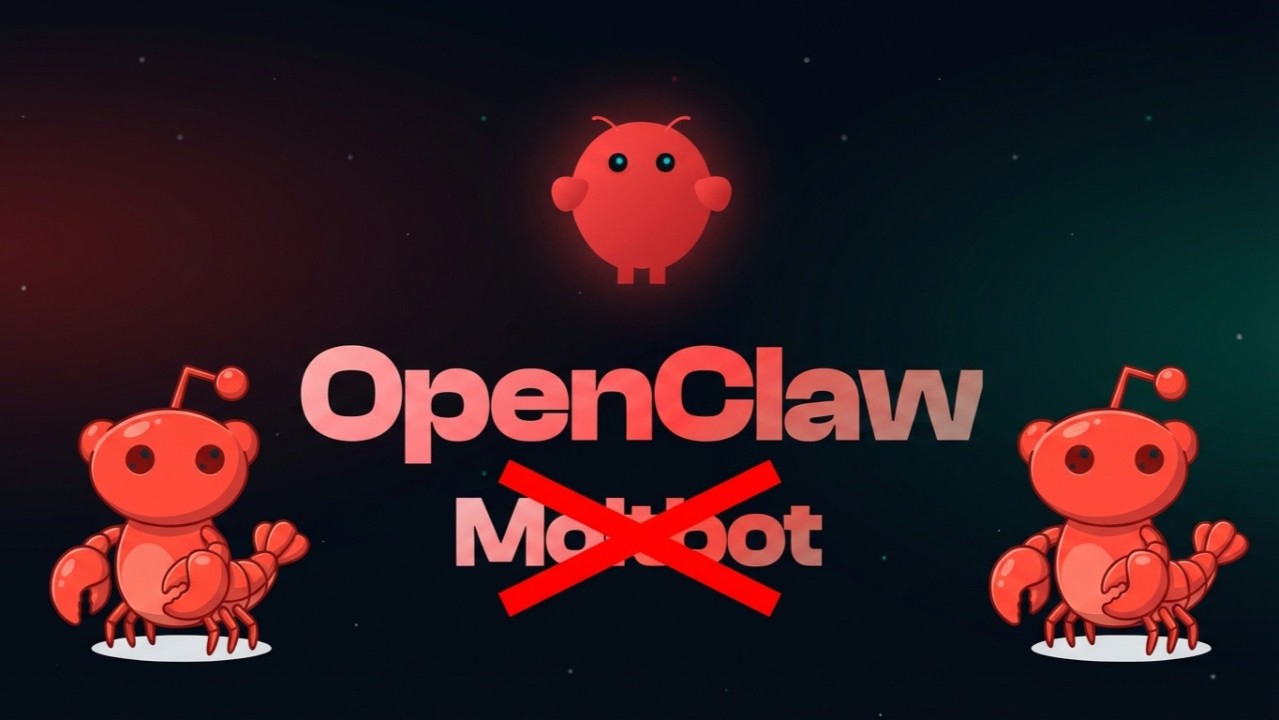
Openclaw is designed to streamline workflows and enhance productivity through advanced AI automation. Users can leverage the platform’s features to automate various tasks, from simple queries to complex data analyses. By utilizing local large language models (LLMs), Openclaw aims to provide efficient processing and quick response times, catering to a diverse range of applications.
However, the power of AI also brings inherent risks. Critics argue that as the tool becomes more integrated into workflows, its misuse could lead to unintended consequences. Concerns about data privacy, autonomy, and decision-making are frequently raised in discussions about AI technologies like Openclaw. These issues highlight the need for cautious and responsible implementation.
Potential Risks Versus Responsible Use

One of the primary concerns regarding Openclaw is the possibility of it generating harmful or biased content. Users must be aware that while the tool is capable of processing natural language inputs, its outputs are only as good as the data it has been trained on. Without proper oversight, there is a risk of propagating misinformation or biased information, which can negatively impact decision-making.
Additionally, the automation capabilities of Openclaw raise questions about job displacement. As tasks typically performed by humans are automated, some fear that this could lead to workforce reduction in various sectors. It is crucial to address these concerns by developing a framework that ensures the ethical deployment of AI technologies, thereby minimizing the risks associated with automation.
Community Responsibility and Future Directions

The discussion surrounding Openclaw is not only about the tool itself but also about the community that uses it. Developers, organizations, and users share the responsibility of ensuring that the technology is applied ethically and thoughtfully. Openclaw advocates emphasize the importance of guidelines and best practices to prevent misuse while encouraging innovation.
The future of Openclaw hinges on its community’s commitment to continuous improvement and responsible usage. With transparent feedback mechanisms and ongoing dialogue about ethical AI practices, users can collaborate to make Openclaw a safer and more robust tool. As the tool evolves, so too should the frameworks that govern its use, ensuring that AI automation is a force for good in society.
In conclusion, while concerns regarding Openclaw’s safety and implications are valid, they can be addressed through responsible usage and community engagement. Understanding the tool’s capabilities and potential risks is crucial for users looking to harness AI automation effectively. As Openclaw continues to grow, its users must prioritize ethical practices to ensure that it serves as a beneficial resource rather than a source of concern.