Openclaw is rapidly becoming a popular tool in the realm of AI automation, known for its versatility and adaptability. As users harness its capabilities to generate content and automate tasks, the potential for creating viral scripts is substantial. This article outlines the techniques for leveraging Openclaw to produce engaging and shareable scripts that can capture audience attention.
Understanding Openclaw’s Potential
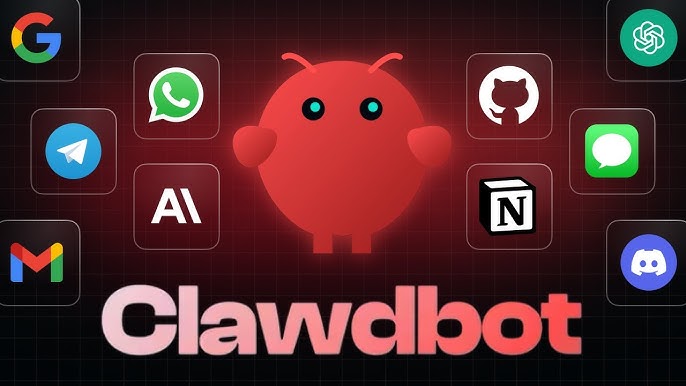
Openclaw operates on advanced AI algorithms, leveraging local large language models (LLMs) to craft high-quality text. This functionality positions the tool as an invaluable asset for content creators aiming to maximize their output while minimizing effort. Users can define prompts and parameters, allowing Openclaw to generate tailored scripts that align with specific goals and audiences.
By automating repetitive writing tasks, Openclaw enables users to focus on creativity and refinement. This shift not only enhances productivity but also encourages experimentation with different styles and tones. As users familiarize themselves with Openclaw’s capabilities, the dynamic nature of script creation can lead to innovative and unexpected results.
Steps for Generating Viral Scripts
Generating viral scripts using Openclaw involves a combination of strategic planning and iterative refinement. The first step is to identify trending topics or themes that resonate with target audiences. Researching popular content can provide valuable insights into what attracts attention and fosters engagement.
Once relevant themes are established, users can leverage Openclaw to draft initial scripts by inputting specific prompts. By playing with variations in tone, structure, and delivery, users can harness the flexibility of Openclaw to craft diverse iterations of their scripts. Feedback loops, whether drawn from analytics or peer reviews, can further refine these drafts into polished pieces suited for sharing across platforms.
Maximizing Openclaw’s Features for Impactful Content
Openclaw’s skill system allows developers to customize its functionalities, making it possible to address unique content creation needs. Incorporating user-defined skills can enhance the tool’s ability to generate scripts that are not only engaging but also strategically aligned with marketing goals.
Moreover, collaboration with other tools, such as content management systems and analytics platforms, can streamline the content creation process. Users can automate publishing and performance tracking to ensure that their viral scripts reach the intended audience effectively. This integration strengthens the overall workflow, making Openclaw an even more powerful ally in the quest for viral success.
In conclusion, Openclaw presents exciting opportunities for users looking to create viral scripts. By understanding its potential, following structured steps for generation, and maximizing its features, users can significantly enhance their content creation processes. As AI continues to evolve, tools like Openclaw will play a pivotal role in redefining how users engage with and create digital content.