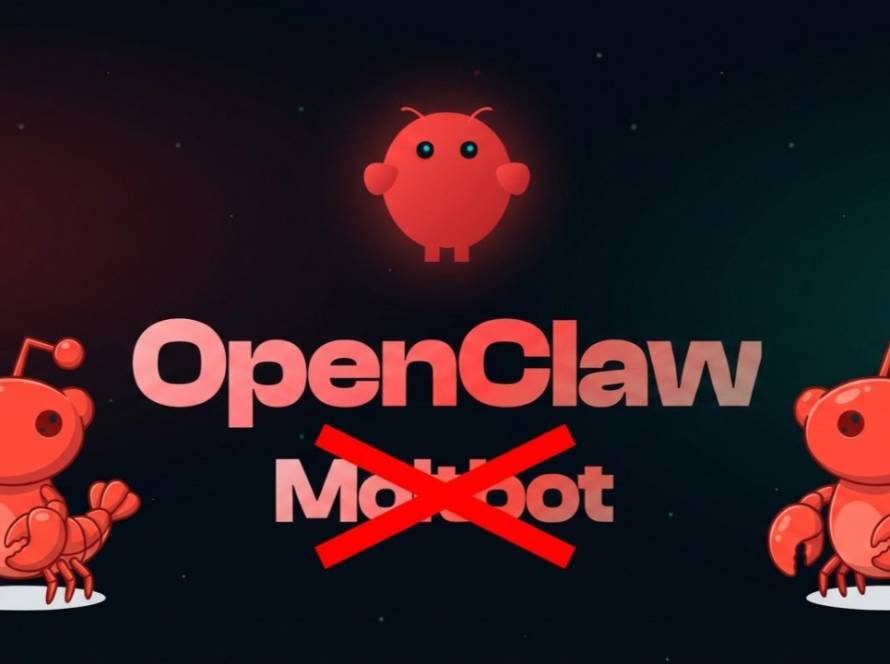
Openclaw is an open-source AI assistant designed to execute tasks—rather than only respond to chat prompts—by combining local LLMs, a modular skills system, and integrations with existing tools. The platform has gained traction because it enables practical automations: summarizing documents, triaging messages, and orchestrating multi-step workflows. This guide explains how to set up Openclaw, what its core features deliver, and how to deploy it securely.
Getting Started: Installation and Core Components
Installing Openclaw begins with preparing the host environment: a modern OS, Python 3.10+, and sufficient RAM and disk space for models and logs. For local inference, installing a runtime such as Ollama or another LLM host is recommended; choose a model that balances quality and resource use based on the intended automations. Running Openclaw in a container or WSL2 simplifies dependencies and provides useful isolation for development and testing.
Once dependencies are in place, clone the Openclaw repository and execute the provided bootstrap script to install runtime libraries and sample skills. Configuration typically involves pointing the agent at a model endpoint, registering integrations (Telegram, Slack, or webhooks), and setting paths for persistent memory and vector stores used by retrieval-augmented generation (RAG). Validate the stack with a simple prompt and a deterministic skill to confirm connectivity and basic behavior.
Key Features: Skills, Memory, and Integration Patterns
Openclaw’s skill system is the building block for automation: each skill encapsulates a focused action (parse email, generate an outline, call an API) and can be composed into longer, reliable sequences. Skills are often authored in TypeScript or Python and are designed with clear input/output contracts, which makes testing and reuse straightforward. Teams benefit from a community skill registry but should vet community code before production use.
Memory and RAG are central to delivering context-aware responses. Openclaw stores short-term session data and longer-term memory elements such as user preferences or document excerpts, which are retrieved to ground LLM outputs. Proper indexing and relevance tuning reduce hallucinations and improve the quality of summaries, recommendations, and decision support. Integrations with calendars, CRMs, and messaging platforms enable automations to act directly where users work.
Safe Deployment: Security and Governance Best Practices

Because Openclaw can access files, credentials, and APIs, secure deployment is mandatory. Run the agent under a dedicated, least-privilege service account and isolate it in containers or VMs to limit the blast radius of any compromised skill. Avoid running the platform with root or administrator privileges, and enforce allowlists for external endpoints to reduce exposure to malicious payloads.
Governance should include a curated skill registry, mandatory code review, and an approval process before skills are promoted to production. Use a secrets manager for API keys and rotate credentials regularly. Centralized logging and telemetry—covering skill executions, model calls, and outbound connections—enable rapid detection of anomalous activity and support forensic investigations when incidents occur.
Operational Patterns and Practical Workflows
Start with low-risk, high-frequency automations to demonstrate value: automated meeting summaries, inbox triage, and draft reply generation are common first pilots. Measure impact with clear metrics—time saved, error reduction, and user satisfaction—and iterate on prompt design and skill logic. Gradually expand to more complex workflows once governance, monitoring, and rollback procedures are in place.
For scale, adopt a hybrid model strategy: use compact local models for interactive tasks and reserve larger hosted models for occasional heavy reasoning. Implement human-in-the-loop approvals for high-impact actions, and maintain an auditable skill lifecycle with versioning and tests. These practices keep automations reliable and make the platform maintainable as usage grows.
In conclusion, Openclaw offers a practical platform for turning LLM capabilities into reliable automations. Its modular skills, memory systems, and integrations enable real-world workflows, but success depends on secure deployment, disciplined governance, and incremental adoption. Organizations that pilot responsibly and invest in monitoring and approval workflows can unlock significant productivity gains while managing operational risk.