Moltbook positions itself as a social hub for agentic systems, and its emergence has sparked conversations about how Openclaw and similar agents will interact in public networks. As interest in agent orchestration grows, understanding the interplay between Moltbook-style platforms and Openclaw’s local automation capabilities is essential. This article examines what Moltbook offers, how it relates to Openclaw, and the security considerations organizations must address.
What Moltbook Is and How It Relates to Openclaw
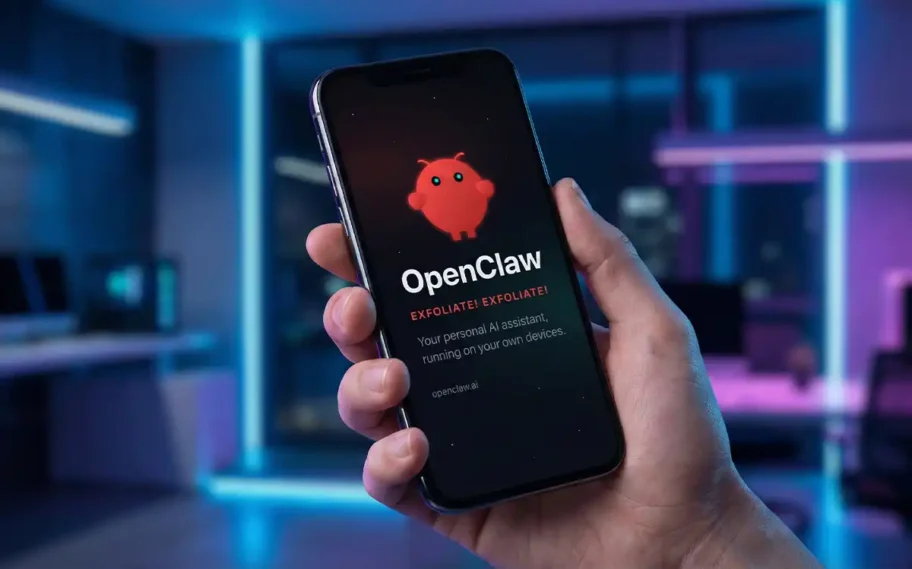
Moltbook is framed as a community-driven directory for agents, skills, and automations—a discovery layer where developers and users can share recipes, prompt templates, and agent behaviors. The platform’s model mirrors traditional social sites but focused on agent artifacts: skill snippets, workflows, and curated agent profiles that others can adopt or adapt. This creates network effects where useful automations gain traction quickly.
Openclaw, by contrast, is an execution platform for local agentic automation. It emphasizes running LLM-driven skills on-premises, composing modular skills into multi-step automations that interact with files, messaging, and internal APIs. The relationship is complementary: Moltbook acts as a marketplace and ideas repository while Openclaw is the runtime that implements chosen automations in a controlled environment.
For teams evaluating both platforms, the key is a clear separation of concerns. Moltbook supplies discovery and inspiration—proven patterns and community-vetted skill templates—while Openclaw provides the execution, privacy controls, and local LLM integration necessary for production use. Adopting skills from Moltbook into Openclaw accelerates development but also introduces governance challenges that must be managed carefully.
Security Risks Introduced by Social Agent Platforms
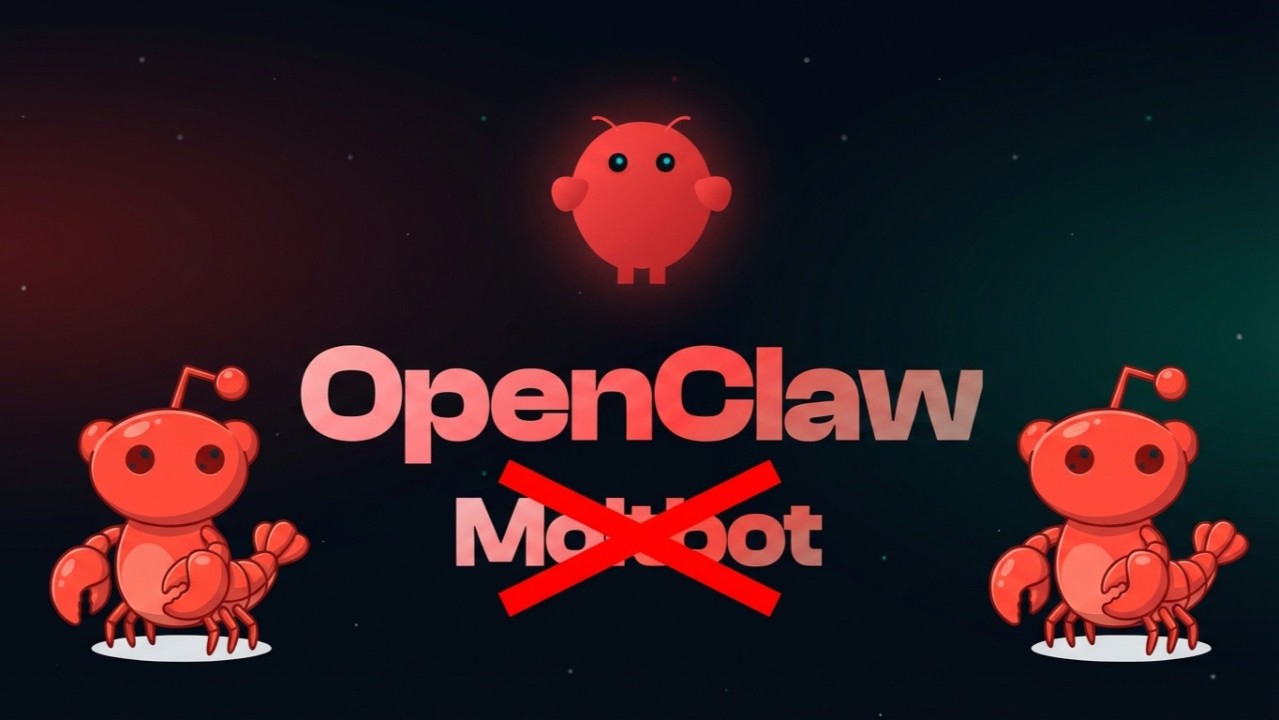
While Moltbook’s openness encourages innovation, it also increases the attack surface. Community-contributed skills may include unsafe code, excessive permissions, or hidden dependencies. When these artifacts are imported into an Openclaw deployment without scrutiny, they can introduce privilege escalation, data leakage, or remote code execution risks—especially if skills fetch remote content or execute system commands.
Another concern is supply-chain abuse. Malicious contributors could publish seemingly benign skills that, when combined with specific inputs or integrated into broader workflows, perform unauthorized actions. The decentralized nature of Moltbook-style platforms complicates trust: users must assume that not all shared artifacts are secure by default and that automated vetting is imperfect.
Additionally, integration patterns matter. Openclaw often connects to messaging platforms, CRMs, and internal systems—each connection carries credentials and scope. If a skill obtained via Moltbook requests broad access or uses embedded secrets, the lateral movement risk increases. Attackers exploiting a single compromised skill could pivot into multiple systems if access controls are lax.
Mitigations and Best Practices for Safe Adoption
To safely leverage Moltbook-inspired sharing while running Openclaw in production, organizations should adopt a layered defense model. First, treat community skills as untrusted: require code review and static analysis before any skill reaches a staging environment. Use automated scanners to detect common vulnerabilities and disallow skills that execute shell commands or make unvalidated network requests.
Second, implement strict privilege separation and sandboxing. Run Openclaw in isolated containers or virtual machines, apply least-privilege principles to service accounts, and enforce network egress controls so that skills cannot contact arbitrary endpoints. Sandboxing reduces the blast radius of a compromised skill and prevents unapproved data exfiltration.
Third, maintain a curated internal skill registry. Promote only audited and documented skills into production, and record provenance metadata for every artifact—author, version, review status, and allowed scope. Pair this registry with telemetry: log all automated actions, monitor for anomalous behavior, and alert on unexpected outbound connections or privilege escalations.
Finally, incorporate human-in-the-loop gates for high-impact automations. Require manual approval for any automation that modifies production data, issues financial transactions, or sends external communications. This control balances automation benefits with operational safety and helps build trust in agent-assisted workflows.
In conclusion, Moltbook-style platforms offer valuable discovery and collaboration for agent development, while Openclaw provides the runtime capabilities to execute those ideas locally and securely. The combination can accelerate innovation in AI automation, but it demands disciplined governance, rigorous security practices, and a culture of careful review. By treating community contributions as starting points—not final products—and layering containment, auditing, and approval workflows, organizations can harness the promise of social agent networks without sacrificing safety.