Openclaw is an AI assistant designed to proactively message users and automate routine tasks across applications. The platform combines local large language models (LLMs) with a modular skills framework to perform multi-step workflows and surface context-aware actions. This article explains how Openclaw functions, practical use cases for messaging-driven automation, and the operational controls required for safe deployment.
How Openclaw Operates as a Messaging Assistant
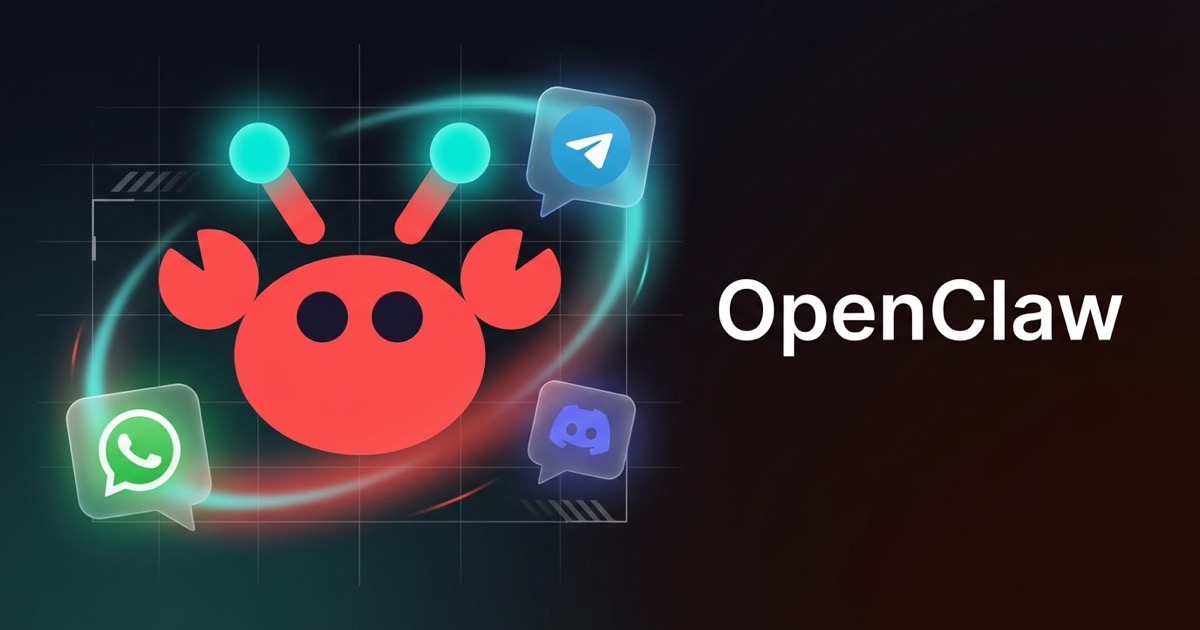
Openclaw runs agentic workflows that can originate from triggers such as incoming messages, scheduled jobs, or system events. When a trigger occurs, the platform invokes a chain of skills—small, composable units of logic—that parse inputs, consult local LLMs for reasoning, and execute actions like drafting replies, updating databases, or calling APIs. This chaining enables nuanced, multi-step automations that move beyond single-command chatbots.
The messaging-first model lets Openclaw interrupt or notify users proactively, delivering concise summaries, suggested actions, or automated responses directly into the user’s preferred chat channels. Integrations with Slack, Telegram, and other messaging platforms make interactions frictionless; users receive timely prompts and can approve, edit, or reject suggested actions. The result is an assistant that behaves like a collaborator rather than a passive tool.
To make these interactions reliable, Openclaw emphasizes context retention and configurable prompt engineering. Skills include context windows that collect relevant documents, recent conversations, and calendar items so LLM-driven outputs are grounded in current information. This approach reduces hallucinations and increases the practical utility of suggested automations.
Practical Use Cases: Messaging-Powered Productivity

One immediate use case is inbox and message triage. Openclaw can classify messages, extract action items, and draft context-aware replies that users review before sending. Teams benefit from reduced response time and consistent tone, while individuals reclaim time otherwise spent on repetitive communication tasks. This automation is particularly useful for customer-facing roles where timely responses matter.
Another high-impact application is meeting preparation and follow-up. Openclaw can aggregate agenda items, pull related documents, and produce a short briefing before a meeting. After the meeting, it generates action items and assigns tasks in project trackers, notifying participants via chat. This cycle converts meetings into actionable workflows with minimal manual overhead.
Openclaw is also effective for developer and ops workflows: it can summarize CI failures, propose triage steps, and create draft PR descriptions from commit metadata. Marketing teams use the platform to generate content outlines and schedule posts, while support teams automate ticket routing and first-pass replies. These scenarios showcase how messaging-driven automations can streamline cross-functional tasks.
Security, Governance, and Safe Deployment Practices
Because Openclaw can access files, credentials, and system APIs, secure deployment is essential. Run Openclaw in isolated environments—containers, VMs, or WSL2 instances—to contain possible faults and enforce least-privilege access. Avoid running the agent with administrative privileges and use dedicated service accounts with minimal scopes for integrations.
Governance controls are equally important: maintain a curated skill registry with code review and approval gates before promotion to production. Implement input validation and content allowlists to prevent untrusted inputs from triggering unsafe behaviors. Regularly audit skills for dependencies and review permission scopes to reduce supply-chain and privilege-exposure risks.
Operational monitoring completes the security picture. Centralize logs for skill execution, model calls, and outbound connections, and integrate these logs with existing SIEM systems. Set alerts for anomalous activity, such as unexpected credential use or unusual network egress, and ensure there are clear rollback and incident-response procedures in place.
In conclusion, Openclaw represents a practical evolution in AI automation by combining messaging-first interactions with powerful LLM-driven skills. When implemented with disciplined security and governance—sandboxing, least privilege, curated skills, and robust monitoring—Openclaw can significantly reduce repetitive work, improve response times, and unlock new efficiencies across teams. Organizations that pilot focused automations and iterate on governance tend to realize the most value while keeping operational risk in check.